

During the maintenance process of conveyor belts, poor quality belt joints can easily lead to delamination and debonding of the joint, ultimately resulting in joint detachment. This not only causes damage to the conveyor belt itself but also poses a great safety hazard to the operating site. Currently, there are various forms of conveyor belt joints, with hot vulcanization joint operation being the most reliable. The guarantee of joint quality lies in the selection of hot vulcanization joint materials.
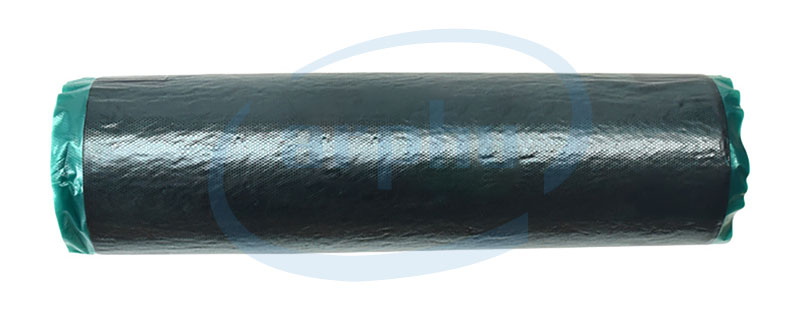
How to choose hot vulcanization joint materials for conveyor belts?
Commonly used hot vulcanization joint materials generally include core rubber, bonding surface rubber, and joint paste. The joint paste is mainly used on various adhesive materials and fabric surfaces, primarily for cleaning and activation purposes, enhancing the viscosity between various adhesives in the joint and improving the bonding strength.
The core rubber is mainly used in the middle part of the conveyor belt, primarily for bonding and connecting purposes. The quality of the core rubber directly affects the bonding effect. The surface rubber mainly serves as a sealing function and is used at the upper and lower sealing positions. High-quality surface rubber must have tensile strength, wear resistance, and impact resistance. Additionally, depending on the different application scenarios of conveyor belts, the composition of the rubber material also varies. For example, heat-resistant conveyor belts generally use EPDM rubber, and flame-retardant conveyor belts usually incorporate flame-retardant materials into the rubber. Therefore, the hot vulcanization materials for conveyor belts should be selected to be similar in composition to the conveyor belt materials.